Become a Living Sacrifice
Homily for the Thirteenth Sunday After Pentecost
August 23, 2026
Homily for the Thirteenth Sunday After Pentecost
August 23, 2026
Homily for August 23, 2026
The Thirteenth Sunday After Pentecost
Romans 12:1-8
“I appeal to you, therefore, brothers and sisters, to present your bodies as a living sacrifice, holy and acceptable to God, which is your spiritual worship.”
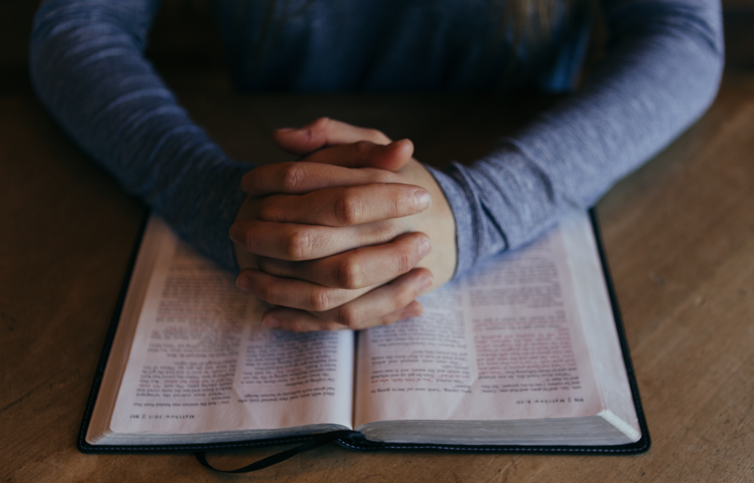
The catechism at the back of The Book of Common Prayer lists seven different ways of praying. They are (deep breath): adoration, praise, thanksgiving, penitence,oblation, intercession and petition. The Prayer Book offers a definition of each.
The kind of prayer about which Paul writes in today’s lesson from Romans is “oblation:” “I appeal to you,” writes Paul, “to present your bodies as a living sacrifice, holy and acceptable to God, which is your spiritual worship.” This verse is significant, for it marks a turning point in Paul’s letter. If in the first eleven chapters Paul set forth his κήρυγμα, or “proclamation,” of the Gospel, now – beginning with this opening verse of chapter 12 – Paul “brings it home” for his readers. “Given all I have said,” Paul writes (in effect), ”here is how you are to live your lives.”
This verse may sound familiar because it is one of the options for the so-called “Offertory Sentences” spoken by the priest after the announcements and before Communion. Though we hear this verse often, I wonder if, when we hear it, we give it the attention it deserves? This morning, the better to draw our attention to them, I want to say a few things about these few words.
First, this verse presents at least two issues of translation. One, Paul writes that we are to “Present your bodies as a living sacrifice,” which at first glance may sound rather severe. Some context: For Paul’s first-century audience, the word “sacrifice” would not have been out of place, for both Gentile and Jewish worship often involved the ritual sacrifice of animals. But if “sacrifice” is too strong a word for our 21st century ears, perhaps substitute “offering” or “oblation,” both of which fit – hence, “Present your bodies as a living offering or oblation.” Paul’s point is, given all that God has done for us in Jesus, he invites us to live our lives for God, that our lives might be a living, breathing offering or “oblation.”
A second matter of translation regards “spiritual worship.” The Greek here [λογικὴν λατρείαν] is tricky and also could be translated as “reasonable-”or even “logical worship,” or even “spiritual-“ or “reasonable-“ or “logical service.” Given the context of day-to-day things we can do that Paul lists later in the chapter, when Paul says “spiritual worship” he likely is not referring to a mystical experience or to how we might worship in church on Sundays; rather he seems to be referring to the “reasonable” offering we realistically can make to God with our daily lives. If Paul elsewhere urges us to “pray without ceasing” (e.g., 1 Thess. 5:16), here in Romans Paul urges us to worship without ceasing, our daily routines offering the substance out of which we can make with our lives unceasing praise to God. (E.g., 2 Cor 2:15).
The Christian tradition teaches that there is no more satisfying way to be alive than to live our lives for God. Though it may seem an unattainable goal, it is possible to “present ourselves as a living sacrifice, holy and acceptable to God.” But we need God’s help. Should we wish to make of our lives an oblation or offering to God, I suggest asking God for two things. First, to recognize and claim our longing for God; and second, to grow in the interior freedom needed to orient our life toward God? Let me say that again: Should we wish to make of our lives an oblation or offering to God, it helps to ask God 1) to recognize and claim our longing for God, and to ask God 2) to grow in the freedom needed to orient our life toward God.
I want to say more about our longing for God and also about growing in the interior freedom needed to orient our lives toward God. First, about our longing for God. Within each of us is a God-shaped hole that only God can fill – as Augustine put it, and as we may know from our own experience, “Our hearts are restless until they rest in God.” Because we (curiously) often resist what is beneficial for us, even though deep down we long for God and our soul thirsts for God (Psalm 63:1), we may not allow ourselves to recognize and claim our longing for God, and we may try to fill this hole with lesser things. If you would like to make of your life an oblation to God, maybe try asking God for the grace to recognize and claim your longing for God.
Second, growing in the interior freedom needed to orient our lives toward God. If you wish to make of your life an oblation to God, maybe try asking God for the grace to grow in the interior freedom needed to orient your life to God. Through Christ God already has set us free from sin and death, Paul writes (Rom 5-7), and through baptism we already are made “alive to God in Christ Jesus,” he says (6:11). Within us already is the freedom needed “to present our bodies as a living sacrifice.” But, as with our longing for God, we often resist what is beneficial for us, and we need God’s help. If you wish to make of your life an oblation to God, maybe try asking God for the grace to grow in the interior freedom needed to orient your life toward God.
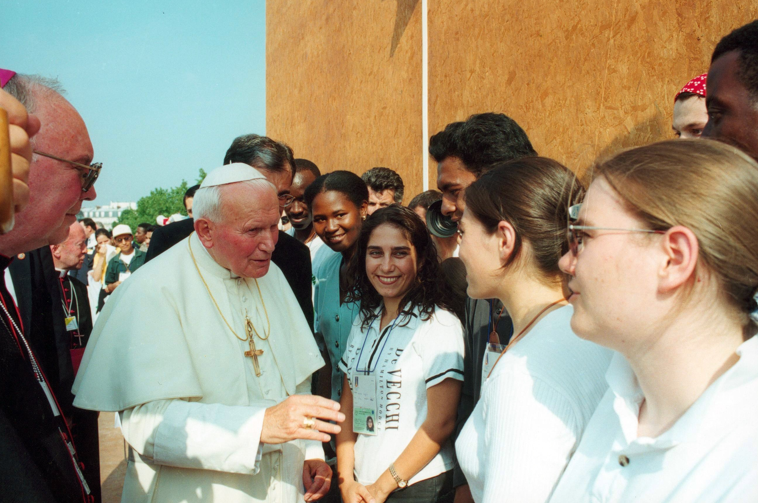
We humans were made to be a “living sacrifice, holy and acceptable to God.” The further we walk down the path to living a holy life, the more fulfilling and satisfying our lives will become. As Pope Francis wrote:
“Holiness…will take away none of your energy, vitality or joy. To the contrary, you will become what the Father had in mind when he created you, and you will be faithful to your deepest self… God and not man is the true master of every human being, of every human life… To the extent that each Christian grows in holiness, he or she will bear greater fruit for our world… Do not be afraid of holiness…” he continues. “Do not be afraid to set your sights higher, to allow yourself to be loved and liberated by God… Holiness does not make us less human [but rather more]… For,” he concludes, “‘When all is said and done, the only great tragedy in life, is not to become a saint’”(GE, 32-34).

Homily for the Seventeenth Sunday after Pentecost













Homily for the Marriage of Joel Diamond and Eliza Cotter

Homily for the Feast of the Baptism of Our Lord