The Weight Transfer Between Heaven and Earth
Homily for the Feast of the Baptism of Our Lord
January 11, 2026
Homily for the Feast of the Baptism of Our Lord
January 11, 2026
Homily for Sunday, January 11, 2026
The Feast of the Baptism of Our Lord
Isaiah 42:1-9
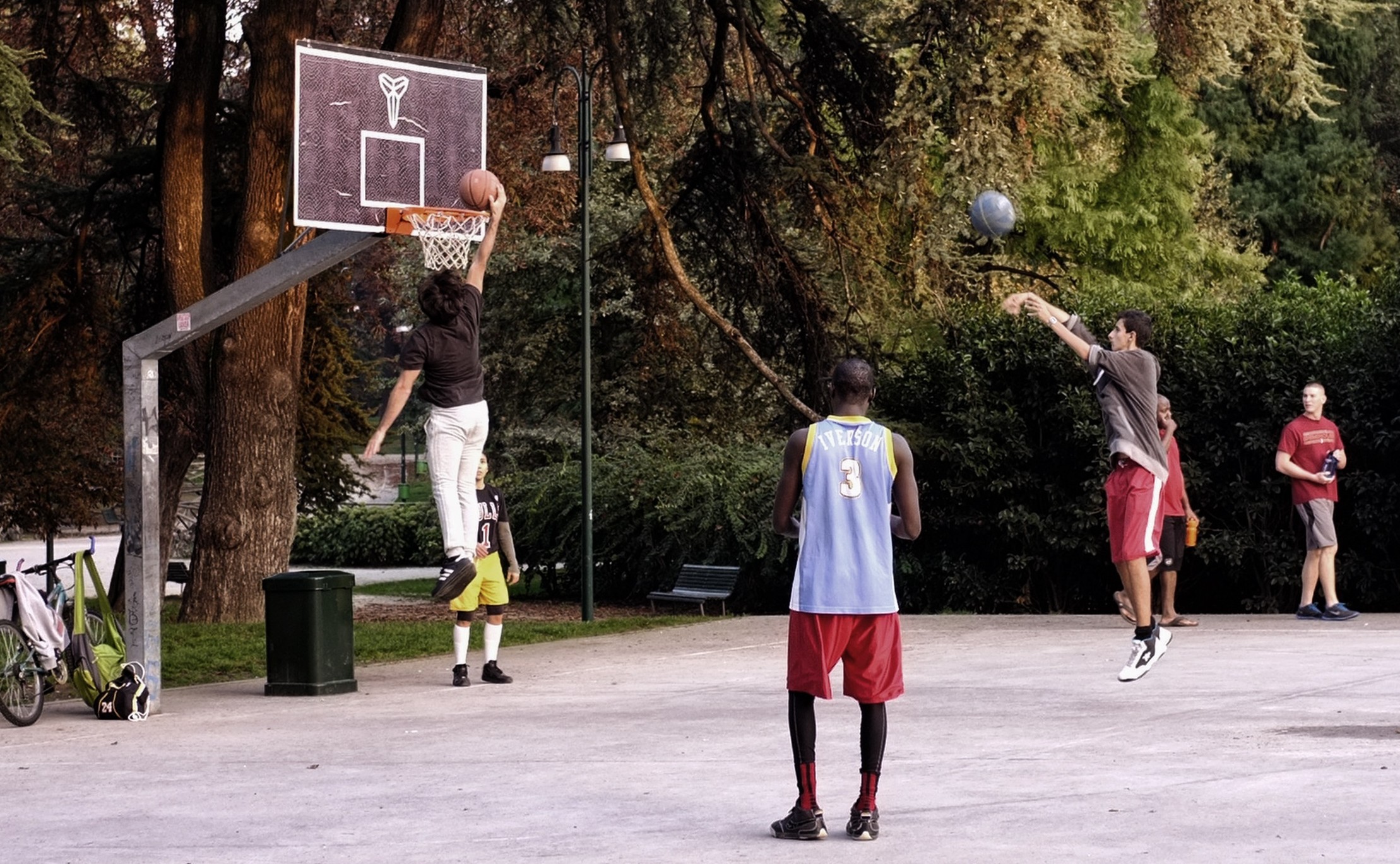
Say what you will about his on-field antics, the former Red Sox star Manny Ramirez had one of the prettiest– or, if you were the pitcher, one of the most devastating – swings in baseball. Though at the plate his closed stance and his hands held above his head may have looked unconventional, when he unleashed he had amazing bat speed, swift and fluid all the way through, his stroke making a perfect Nike “swoosh.” Among the factors that made Ramirez’ swing so effective was that he had mastered the art of “weight transfer;” that is, using the body’s weight to generate forward power. Ramirez would “load” his back leg, take a small stride forward with his front, and rather than trying to “muscle” the swing, he allowed himself to “uncoil,” efficiently harnessing the energy of his weight transfer, back to front, to drive the ball into play. Despite the power it generated, Ramirez’ swing – like all weight transfer – was silent.
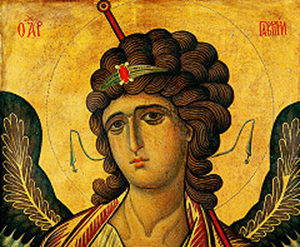
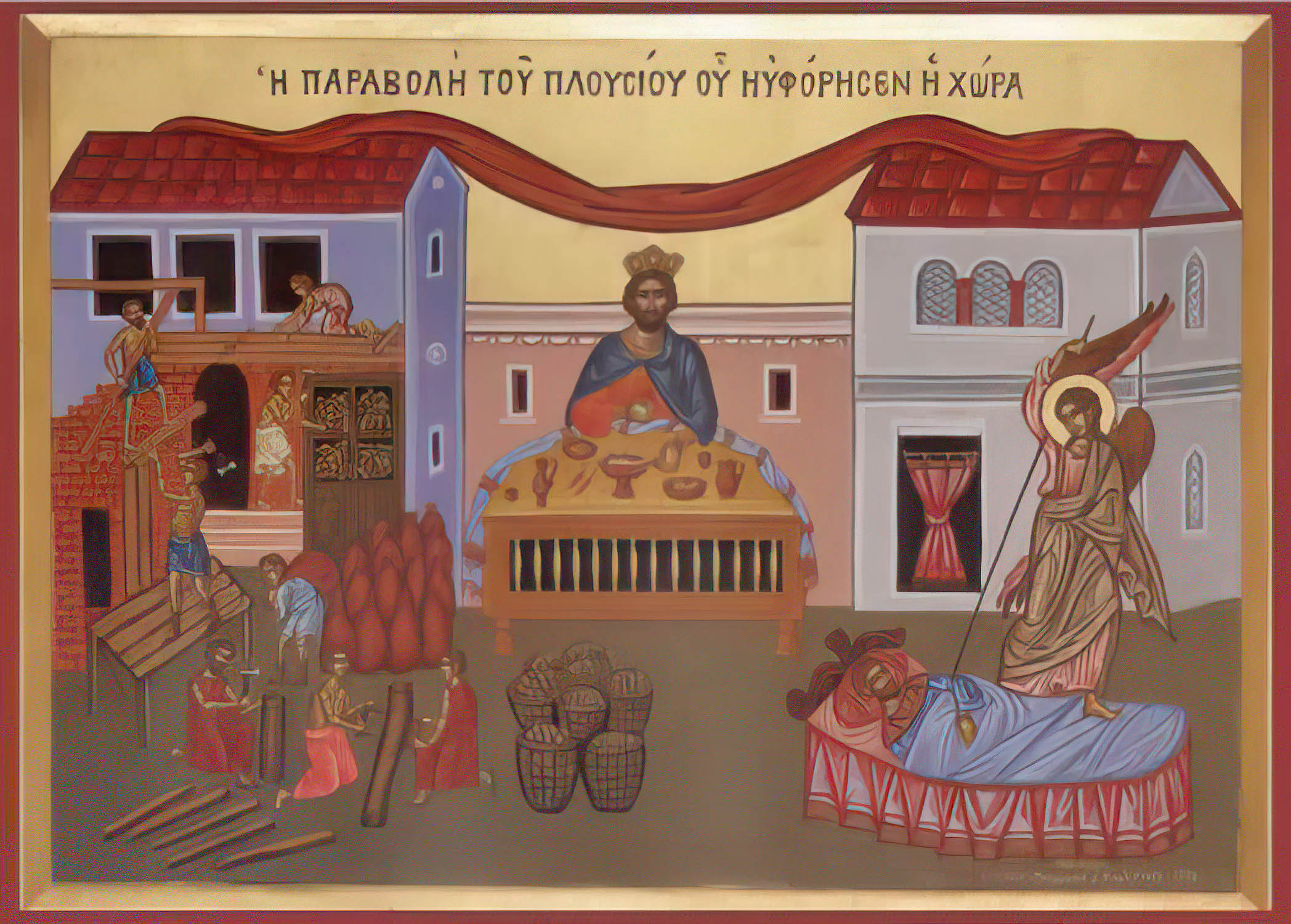
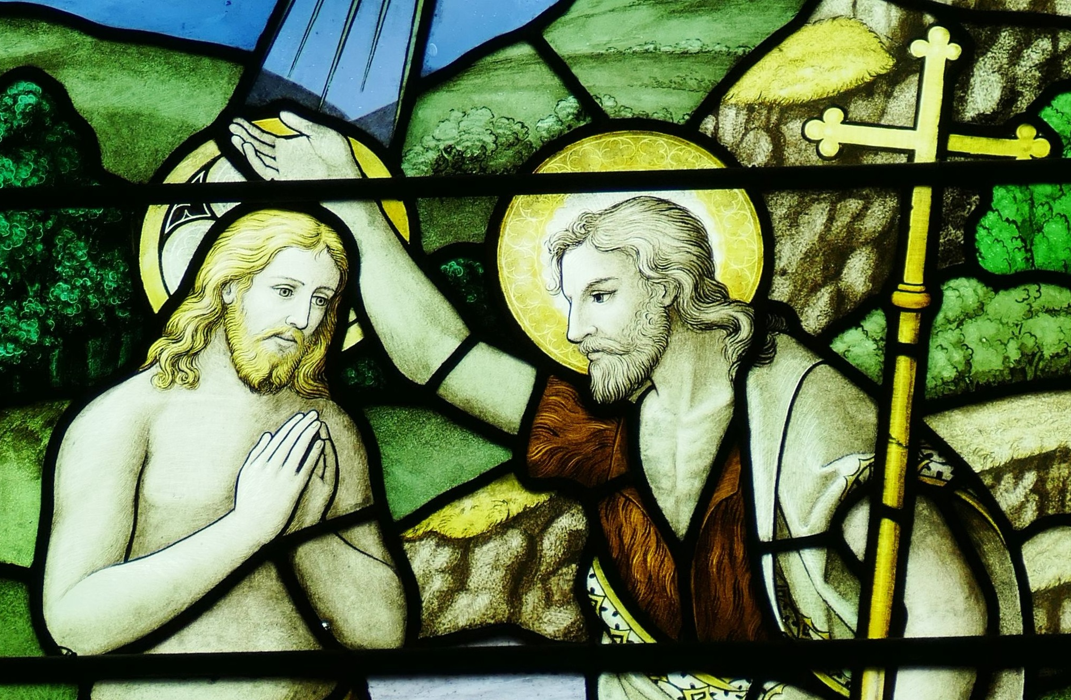
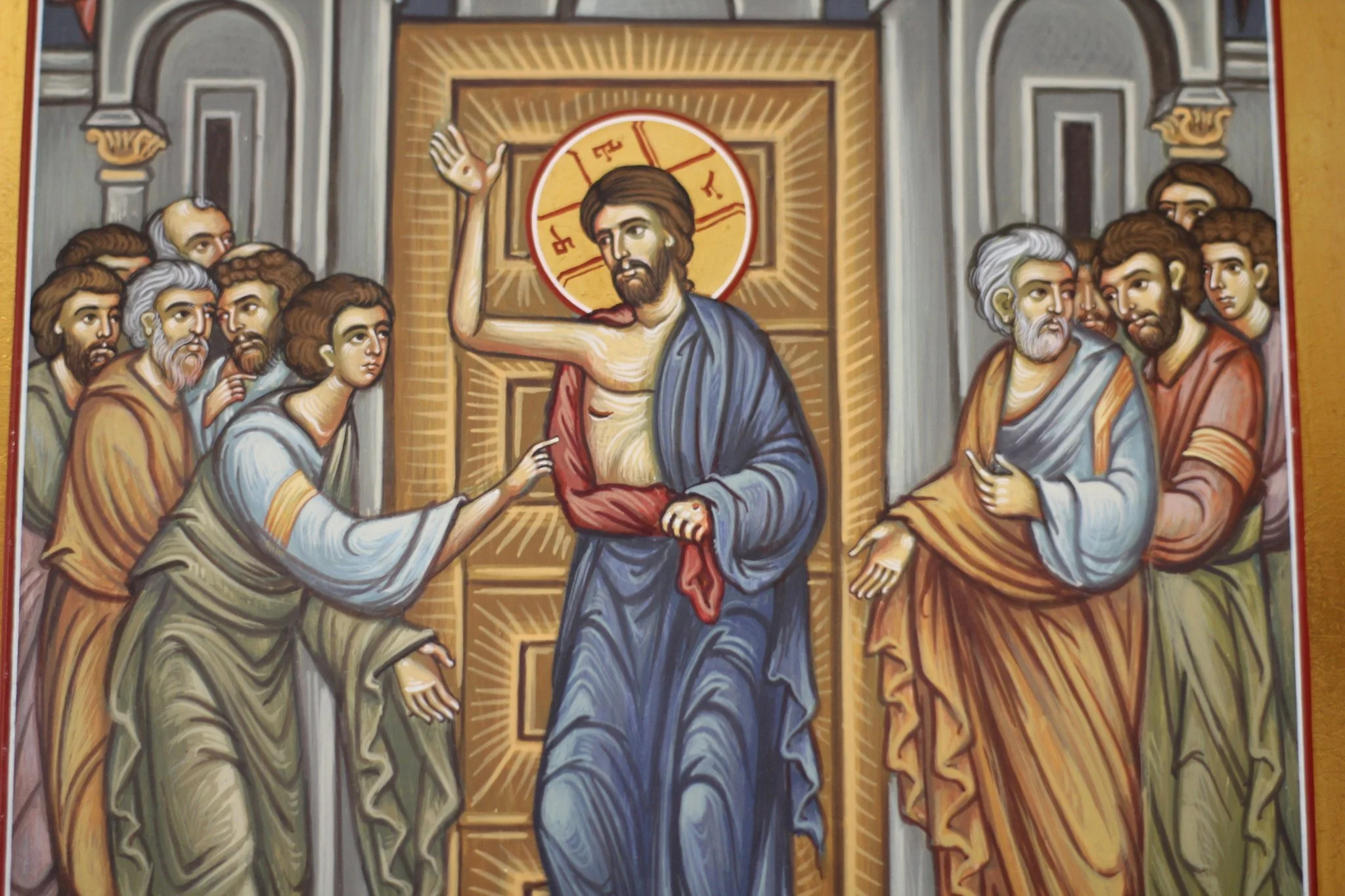
The Feast of the Baptism of Our Lord that we celebrate today is a Feast about weight transfer. As the icon on the front of the order of service shows, Jesus stands in the Jordan to be baptized. Though it may not look as though he is doing much, Jesus’ standing marks a “weight transfer” between heaven to earth as the voice from heaven proclaims, “My Son, the Beloved.” And in this morning’s reading from Isaiah the prophet writes, “Here is my servant, whom I uphold.” Even though a weight is placed on him – “I have put my spirit upon him,” Isaiah writes – yet the servant like a good athlete is so poised, so well-balanced that, “He will not grow faint or be crushed.” The servant transfers “weight” between earth and heaven, establishing justice, opening the eyes of the blind and bringing out the prisoners from the dungeon.
Though it generates great power, as with all accomplished athletes Jesus’ weight transfer is silent: “He will not cry aloud or lift up his voice,” Isaiah writes, “nor make it heard in the street.” Jesus’ “weight transfer” is so quiet, so efficient, that his power appears gentle, even “meek:” “a bruised reed he will not break,” Isaiah writes, “and a dimly burning wick he will not quench.”
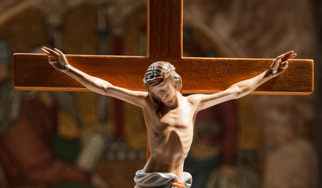
Jesus’ meek, silent, yet powerful “weight transfer” is perhaps best seen at his crucifixion. Rowan Williams, the former Archbishop of Canterbury, wrote:
The gospel narratives show us how the High Priest and Pontius Pilate urge Jesus to speak: “Why don’t you answer me?” says Pilate, “Don’t you know that I have the power to crucify you or to release you?”… The odd thing in these stories is that Jesus’ voice is taken away; he is a person who has been reduced to silence by violence and injustice. But then,mysteriously, he turns this around. His silence… his refusal to impose his will in a struggle, becomes a threat to those who have power… “For God’s sake, talk to me!” says the High Priest (more or less)… Pilate’s wonderment, bafflement and fear in the face of Jesus are a reminder that, in this case, Jesus takes the powerlessness that has been forced on him and turns it around so that his silence becomes a place in the world where the mystery of God is present.
The world would have us believe that where there is noise and activity, there must be power. If leaders are constantly dominating the news,for example, or if warplanes are flying, or missiles exploding or guns shooting,there (follows this line of reasoning) [there] must be power. But today’s Feast suggests that true power is subtle, often silent, generated by Jesus’ “weight transfer” between heaven and earth
G.K. Chesterton purportedly once said: “What is wrong with the world? I am.” Meaning: we humans are so connected, our lives so intertwined, that there is no such thing as “private” sin or “private” holiness. Our interior life – how we are with ourselves and with God – has a “butterfly effect” for good or for ill on those around us. The very way in which we live our lives can be a place of “weight transfer” between earth and heaven such that – though this transfer be subtle and maybe even silent – justice can gain a foothold on the earth, and the coastlands can yearn for his teaching.
Recently I fretted to my spiritual director about being “high maintenance.” “I need to pray every day,” I said, ”and to spend time with the scriptures. I do better when I give generously. I need the Eucharist. And all this on top of swimming, yoga, eating healthy and getting enough sleep. Think of how much I could get done if I didn’t need all these ‘crutches,’ I said. She looked at me quizzically for a moment and then replied, “That’s one way to think about it.” “What about thinking instead, ‘All these things I do enable me to bear weight on behalf of others’”?
In Galatians Paul writes, “Bear one another’s burdens, and in this way you fulfill the law of Christ”(6:2). In Matthew Jesus speaks about“the weightier matters of the law: justice and mercy and faith” (23:23). Several times Jesus said, “Whoever does not carry the cross and follow me cannot be my disciple” (e.g., Lk 14:27). In 2 Corinthians Paul speaks of “always carrying around in the body the death of Jesus, so that the life of Jesus may also be made visible in our bodies” (4:10). Part of being Jesus’ disciple is bearing weight on behalf of others.
I wonder, given today’s Feast, might we consider being part of Jesus’ “weight transfer” between earth and heaven? Might we carry one another’s burdens? Might we carry out justice, mercy and faith? Might we more fully bear in our bodies the death of Jesus so that his life, too, maybe made visible in our bodies? This work of bearing weight is not easy, nor is it glamorous. But Jesus can help. “Come to me, all who are weary and are carrying heavy burdens, and I will give you rest,” he said. “Take my yoke upon you and learn from me, for I am gentle and lowly of heart… For my yoke is easy, and my burden is light” (Matt 11:28-30). We could try to “muscle” our way into faithful discipleship and bearing weight on behalf of others. But why not instead rely on Jesus and his offer of help?
Jesus can help us because, as today’s Feast suggests, he is the “weight transfer” between earth and heaven,the Son of God who stooped to earth to raise us to heaven. At his Baptism, Jesus began the “weight transfer” of establishing justice on the earth, opening the eyes of the blind and bringing out the prisoners from the dungeon. During his earthly ministry he “bore our infirmities and carried our diseases” (Is 53:4). At his crucifixion he took the powerlessness that was forced upon him and, in a fluid and smooth “swing,” turned it around so that his silence became a place in the world where the mystery of God is present. By the power generated with this shift, Jesus quietly and meekly brings forth justice, he offers his teaching to the coastlands, he gives breath and spirit to all who walk upon the earth, and he can make us a subtle yet insistent light to the nations. Why not accept Jesus’ invitation to enter more closely into his friendship so that, following his example and with his help,we might more fully discover the profound joy of bearing weight in service of his kingdom?


Homily for the Seventeenth Sunday after Pentecost




















Homily for the Marriage of Joel Diamond and Eliza Cotter