Love Wins
Homily for the Seventh Sunday of Easter
May 17, 2026

Homily for the Seventh Sunday of Easter
May 17, 2026
Homily for
The Seventh Sunday of Easter
Acts 1:6-14
By The Rev. Isaac Everett
The closest I ever came to leaving The Episcopal Church
was when I learned how our church
responded to the Civil War.
I was taking a church history and polity class
as part of my preparation for priesthood,
and I'll be honest —
my road to becoming an Episcopalian
had not been an easy one.
I'd started working for the Episcopal Church in New York City
as a church musician back in 2001,
and it was definitely not love at first sight.
The worship felt alien,
the hierarchy felt opulent,
and the culture felt… self-satisfied.
But gradually, slowly,
I discovered what the Anglican tradition has to offer.
I realized there was much to love.
And after fourteen years of working for the church —
fourteen years of slow, reluctant circling around its edges —
I realized this is where God had planted me.
It was time to put down roots and grow.
So I was received into the Episcopal Church.
A year later, I became a postulant for the priesthood.
And then… I took this class.
If you're not familiar with the history:
our church split during the Civil War,
like many denominations with significant membership
in both North and South.
The Southern dioceses formed
the Protestant Episcopal Church
in the Confederate States of America,
and one of the first things they did
was release a pastoral letter in 1862 —
affirming the institution of slavery
as a sacred trust
and a missionary opportunity.
Slaveholding, they wrote,
was a duty of Christian stewardship.
So you'd think the northern church responded
with a letter condemning slavery —
the way the Congregationalists did,
the way the Quakers did,
the way the Unitarians did.
No.
Our response was to lament the split
and affirm that church unity
mattered more than earthly politics.
We reduced the enslavement of human beings
to "politics."
We cared more about keeping the peace,
more about preserving our big-tent institution,
than we cared about the moral atrocities
being done to enslaved people.
I remember sitting there reading all this, thinking:
This is why I waited so long.
Maybe I shouldn't have become Episcopalian.
That memory came back to me last week,
traveling in South Africa with my mother.
We spent a day at the Apartheid Museum in Johannesburg —
an absolutely extraordinary experience.
The museum tells the story chronologically:
pre-colonial history,
the arrival of the Dutch and the English,
the institution of segregation,
and its hardening into the system of apartheid.
Walking through decade after decade,
I kept asking myself:
what was the church doing through all this?
And the answer was, again, disappointing —
and painfully familiar.
There were Christians on every side,
Christians in the middle,
Christians who just wanted to quietly preserve the church.
Anglicans tended to oppose apartheid.
The Dutch Reformed supported it
aggressively, theologically, enthusiastically.
Everyone had scripture.
Everyone had arguments.
And the followers of Jesus had no coherent,
unified moral voice to offer the world.
It’s not just two failures.
It’s a pattern.
What was the church doing during Nazi Germany?
What was the church doing during segregation?
What was the church doing
during the displacement of Indigenous Americans?
Sometimes the answer is inspiring.
And sometimes… it is not.
So I find myself wondering
what future generations will think,
years from now,
when they open their history books and ask:
What was the church doing in 2026?
What did the church do
when voting rights were gutted?
What did the church do
when migrants were detained without due process?
What did the church do
when brutally destructive wars of choice
were waged in our name?
The thought that keeps haunting me is this:
we are the ones who will write the answer to that question.
The church has been entrusted to us.
I wonder if the disciples felt that weight,
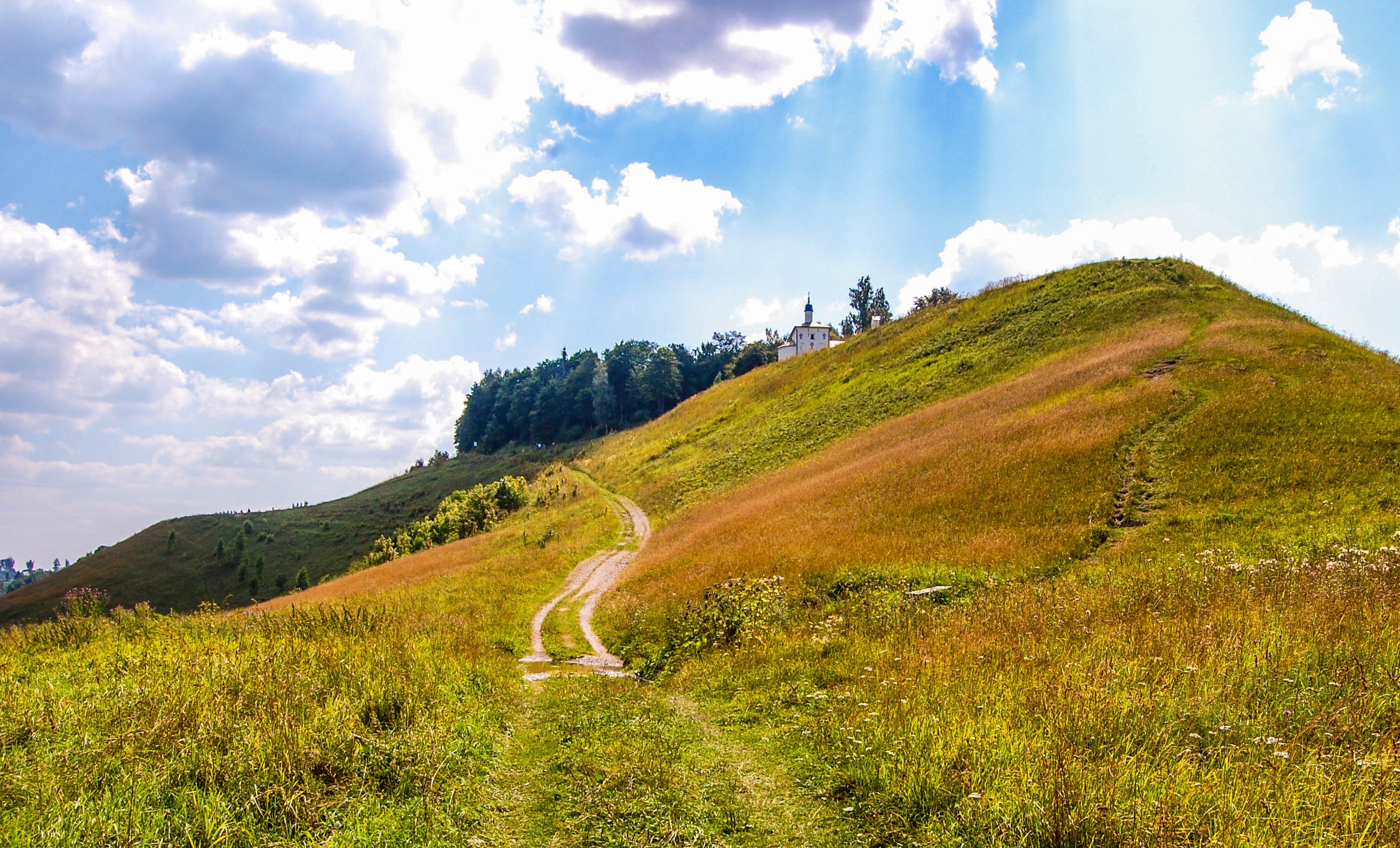
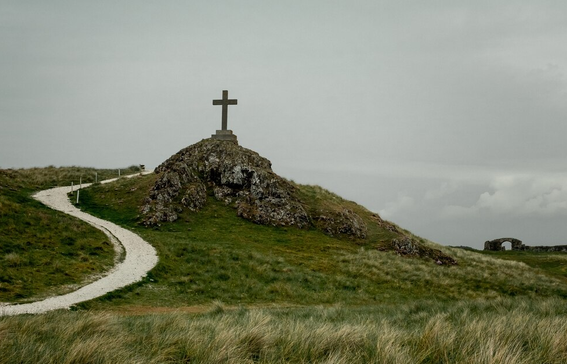
standing on that hillside,
watching Jesus leave.
They certainly weren't ready —
even at the last moment,
they were still asking him:
"Is this the time when you will restore the Kingdom?"
Still expecting him to fix things.
Still looking for the intervention
that would make the hard choices unnecessary.
And Jesus redirects them —
gently, but clearly.
You're asking the wrong question.
The question is what you will do,
when the power of the Holy Spirit comes upon you.
And then he's gone.
Ascended into a cloud.
And they stand there, staring skyward —
in sadness, perhaps, or shock,
or simply the silence of people
who don't know what comes next.
Until two angels ask a pointed question:
"People of Galilee, why do you stand looking up toward heaven?"
Their gaze is redirected earthward.
Toward Jerusalem.
Toward Judea and Samaria.
Toward all the ends of the earth.
This is the moment the story of Jesus ends
and the story of us begins.
The mantle has been passed.
But if they feel unprepared,
they are not unprepared.
Three years of learning, listening,
healing, hiding,
working wonders and making mistakes —
they have been given everything they need.
And we, too, have been prepared for Ascension Day.
We began in Advent,
sitting with the darkness,
naming our longings and our fears,
singing songs of waiting and prayers for deliverance.
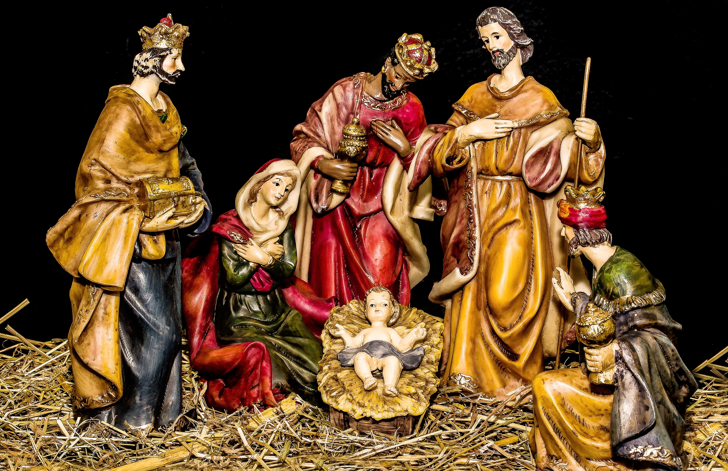
At Christmas, hope was born —
and with it,
the joy of knowing
that light can actually enter the world.
Epiphany showed us the way of Jesus:
that another world,
a divine world,
is not only possible,
it is already here
for those with the eyes to see it
and the courage to dwell in it.
Lent called us to honest reckoning —
taking stock of our limitations,
confronting the things inside us
that keep us from stepping fully into the life Christ intends.
And Easter gave us the one thing
we cannot manufacture on our own:
the certainty that love wins.
That life defeats death.
That even the most powerful empire on earth
could not keep one man in the grave.
All of that was for something.
All of it led us here —
to this hilltop,
to this question of who we are
and what we will do,
as Jesus places his ministry into our hands.
"People of Galilee,
why do you stand looking up toward heaven?"
Because we are the ones
who will now speak for the Father of orphans
















Homily for the Marriage of Joel Diamond and Eliza Cotter

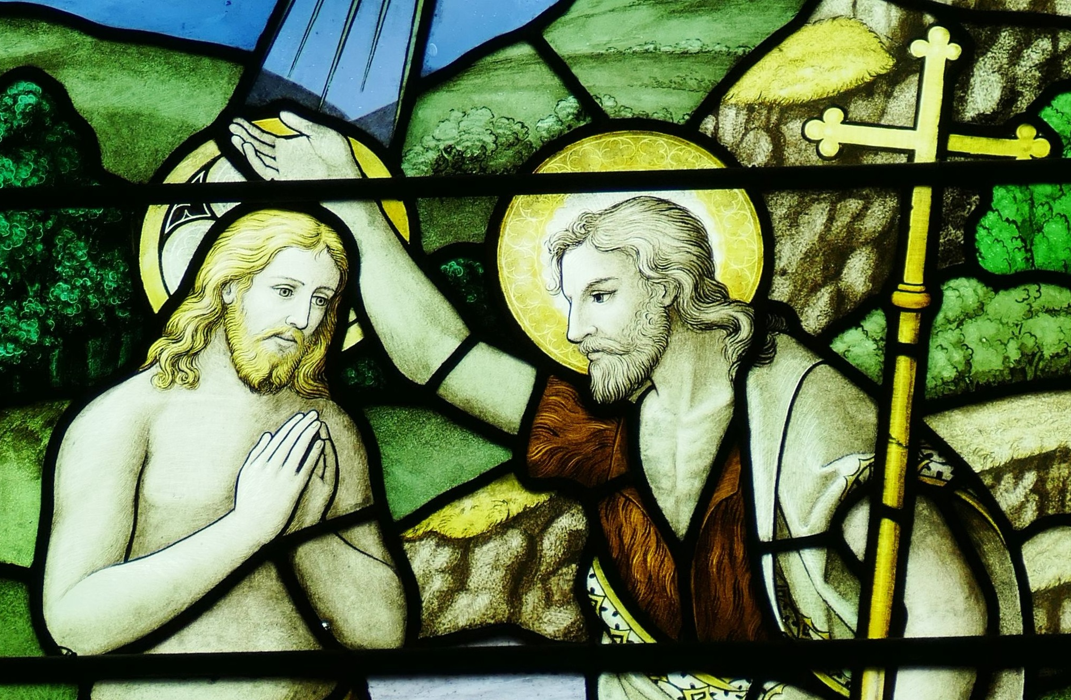
Homily for the Feast of the Baptism of Our Lord